 “I just spent three weeks in the hospital,” a middle-age man explains. “I been tellin’ my sister to nail that trick stair down for months. Wouldn’t you know I’d be the one to throw my back out on it?”
The man is speaking to an elderly woman behind the counter at a Motel 6 in Eloy, Arizona. The man’s mother has just had her leg amputated, he explains. He is on his way to Mexico to visit his teenage daughter who has just given birth.
The man stands 6’2, salt-and-pepper crew cut overshadowed by a massive web tattoo spiraling outward from his elbow. He excuses himself to check the license number on his car.
“Poor guy,” the attendant addresses me. “Says he just got out of the hospital.”
“Yeah, yeah, I heard that,” I reply. I am standing by a display case along the north side of the wall. “Say, I called down here a few minutes ago. I was looking for a wifi password? Room 216?”
“Just give me a minute,” the attendant responds.
The attendant’s name tag reads “NORMA”. Norma’s hair is dyed orange with matching eyebrows penciled in. Norma’s collar is permanently stained and there are individual grains of make-up caught between the thick folds of her skin. Norma smiles. I smile back. It is understood no further business will be conducted until the tattooed man returns.
A cow bell clangs above the door signaling the tattooed man’s return. He slaps a credit card on the counter, mentions something about having an artificial hip. Norma hands the man a room key which he thanks her for profusely. He hobbles through the doorway, disappears around the bend.
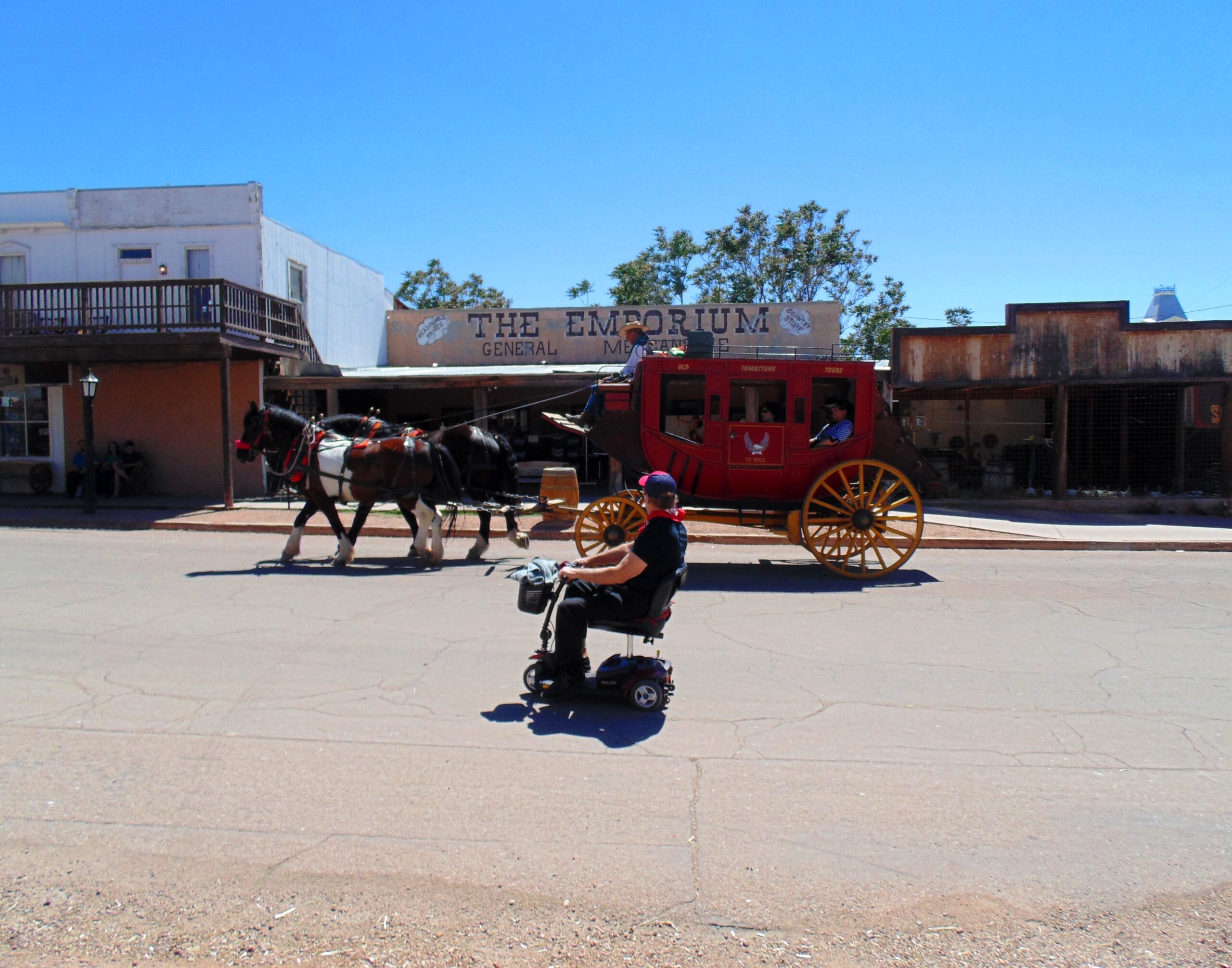
I cannot say for sure whether it’s the 10-minute wait or the $3.29 password, perhaps the dried-up drops of urine on Room 216’s toilet or the live cricket in its bed, maybe it’s the absence of humility or the fact tomorrow will be Sunday, and – as such – there’d really be no point in me driving over to the offices of Arizona’s InBusiness Magazine (That magazine’s publisher, a man named Rick McCartney, has been refusing to pay me $1950 worth of freelance fees for years), maybe it’s all this ugly immigration business or the fact I’m deep inside a state that prides itself on Sheriff Joe, maybe it’s the dry heat or the ill-conceived construction, maybe it’s the notion I’ve traveled all this way to visit an old west mining town where the locals have been reenacting the same bloodthirsty gun battle for 130 years. Maybe it’s all of these things. Maybe it’s none of them. Regardless, I cannot seem to shake my overwhelming lack of empathy. Fuck this place, this backward pit called Arizona. I look forward to crossing the border into New Mexico tomorrow.
Bob Hill’s America: General Index
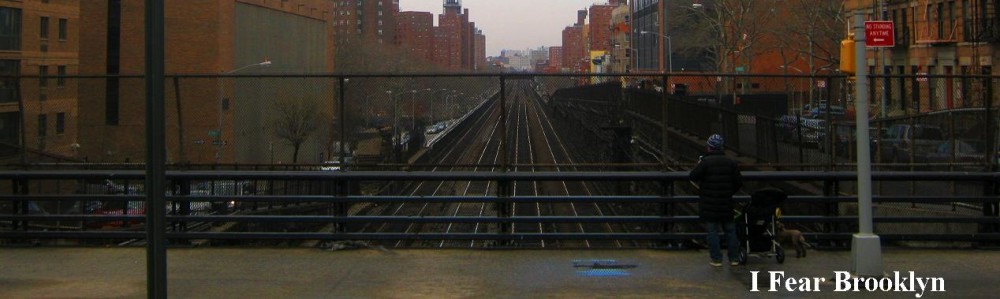
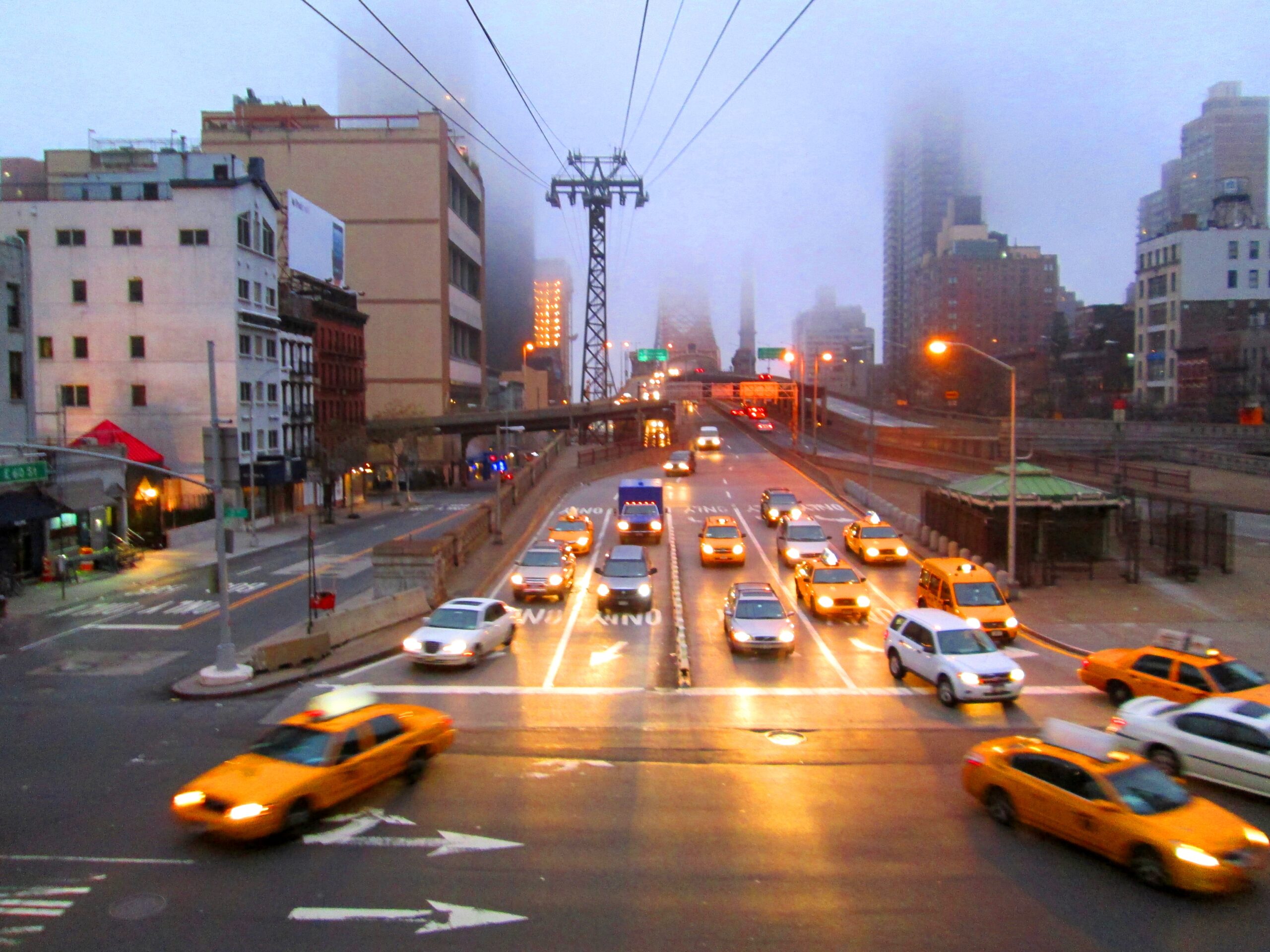 Native – or even transplanted – New Yorkers will often refer to a specific emotion they experience upon reentering the city after an intermittent time away. There are variations on this theme, yet the majority of them center upon one moment, emerging from the steps outside Penn Station, the soft white lights from Times Square somehow illuminating high-rise windows more than a half-mile down the road. There is safety here, a sudden warmth, the embrace of something both ethereal and palpable … the smell of vendors, the fast-vanishing horns, more layers of white noise than early man could imagine.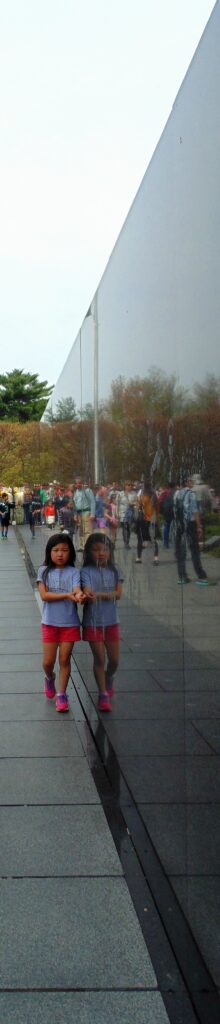
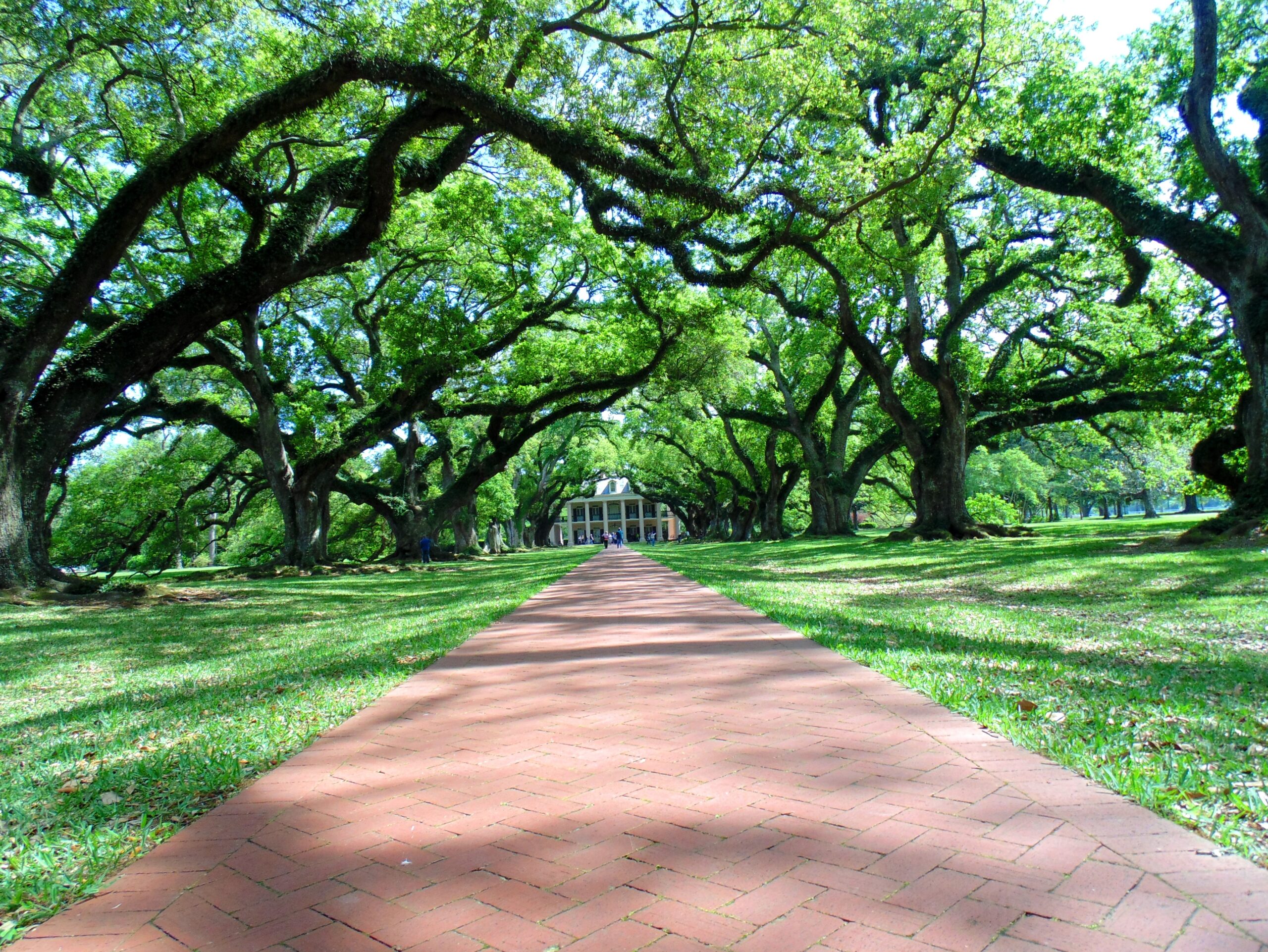 I am not a fan of guided tours, nor the guided tourists who tour them. Too many questions, too much historical bedwetting, too many guests determined to lead the tour themselves. Along those lines, visitors to Oak Alley Plantation in Vacherie, Louisiana can be seen posing for selfies in the slave quarters, dribbling ice cream down their T-shirts, paying $20-a-head to greet employees dressed in period garb, beset on all four sides by the massive weight that pulled these oak trees down.
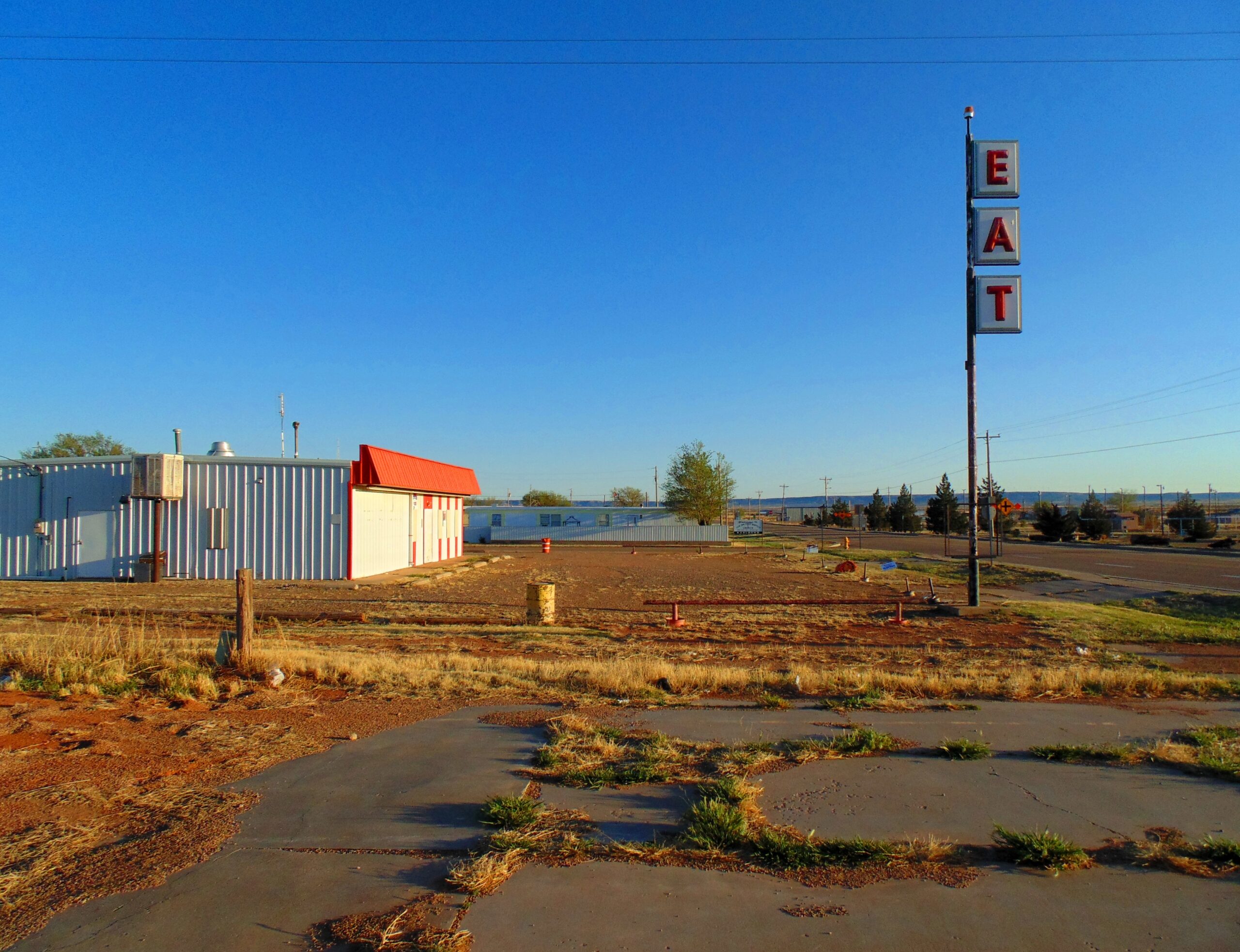 Heading east from Santa Monica, none of the locals has any idea how one might find Route 66. “The real Route 66?” a gas station attendant replies, defiantly. “Oh, man, I’ve no idea.” I am standing in a service plaza that is actually named Route 66, approximately half-a-day’s drive east of a zero-mile marke