Film Capsule: Cold In July


The most effective pre-publicity IFC could have employed prior to releasing Cold In July would have been to stream the first five minutes of the film via internet. I mention this because the first five minutes of Cold In July are absolutely riveting, a master class in tension, exceptionally conceived, shot and executed. Unfortunately, those first five minutes serve as a lead-in to the movie, which unravels like a ball of yarn. 

The problem with Cold In July isn’t the acting, and isn’t the directing. The problem with Cold In July is a screenplay so damn earnest it puts most Grisham novels to shame. The character choices are unlikely, the camaraderie is absurd, and the climax introduces more questions than it provides in terms of answers. Somewhere in between Michael C. Hall goes full-on drawl beneath a mullet and Sam Shepard makes his presence felt in spades. Don Johnson’s character comes on far too big for any actor’s britches and Vinessa Shaw seems out of place as the down-home Texas bride. What the entire thing adds up to is one unfortunate mess of a movie. But the first five minutes will hold you fast onto your seat. You can bet the goddamn house on that.

(Cold In July opens in limited release this Friday.)

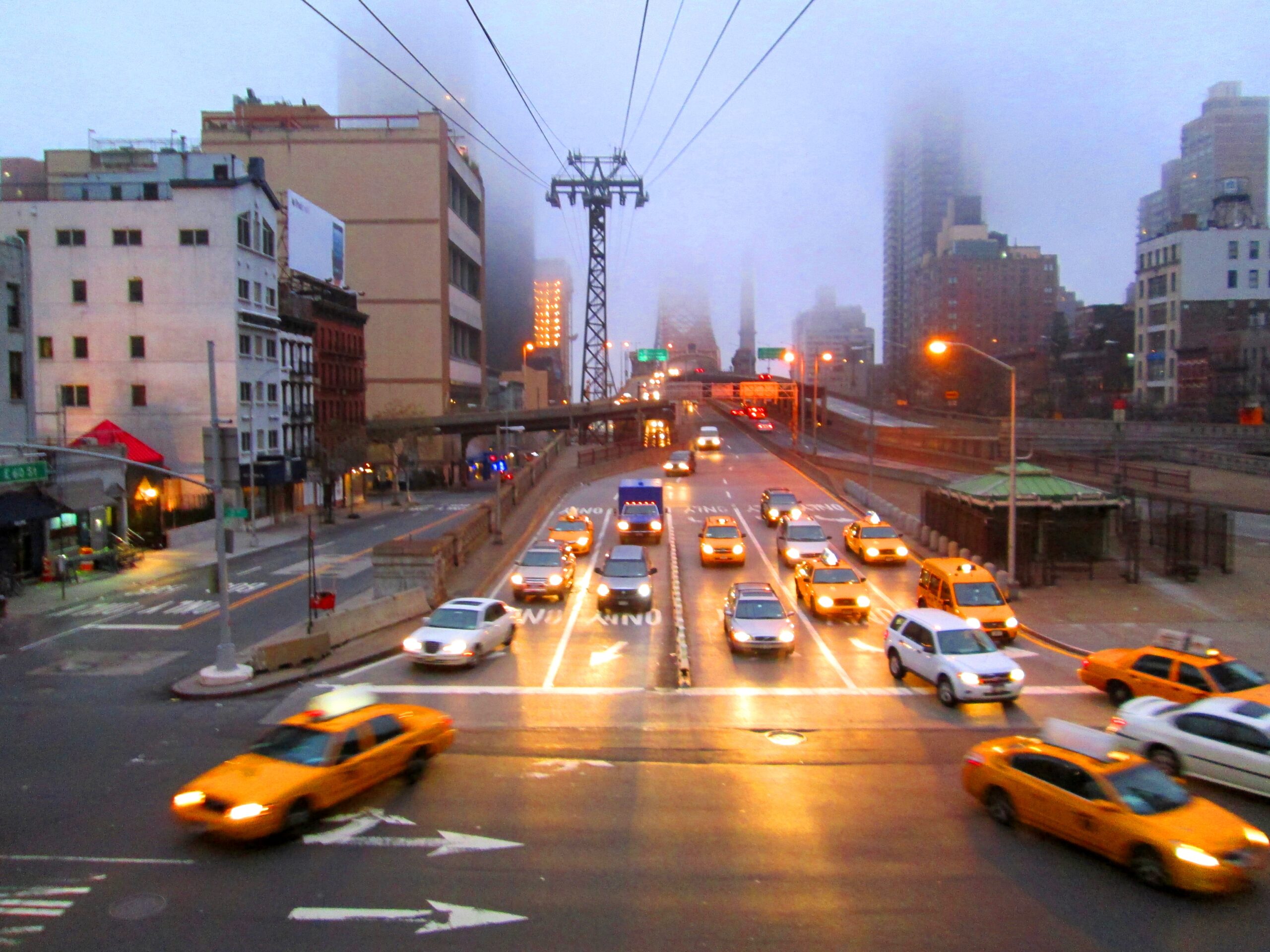
Bob Hill’s America, Day 16: Back Home Along The Hudson

Native – or even transplanted – New Yorkers will often refer to a specific emotion they experience upon reentering the city after an intermittent time away. There are variations on this theme, yet the majority of them center upon one moment, emerging from the steps outside Penn Station, the soft white lights from Times Square somehow illuminating high-rise windows more than a half-mile down the road. There is safety here, a sudden warmth, the embrace of something both ethereal and palpable … the smell of vendors, the fast-vanishing horns, more layers of white noise than early man could imagine.

While I do not arrive by train on this particular evening, the maudlin calm remains the same. After 15 days out on the road, my legs have grown tight and both palms have grown calluses. My apartment here is smaller than most hotel rooms where I’ve stayed. Yet as I return to it tonight I feel an overwhelming sense of joy. I am home now, free and clear. Tomorrow will offer new stories to be told.

Bob Hill’s America: General Index

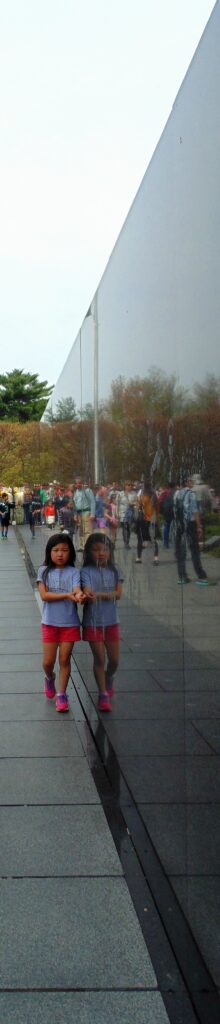
Bob Hill’s America: Day 15 (A Quick Walk Through Washington, DC)


I empty all my change into a meter less than three blocks from the Capitol, then follow Pennsylvania as it spans the White House lawn. The Lincoln Monument’s a mob scene with dueling preachers on both pillars and the yuppies play flag football on the north side of the mall. I swing out wide along the war memorials before doubling back toward the car. The Washington Monument remains closed. It’s been that way for 15 years.

Bob Hill’s America: General Index

Film Capsule: The Immigrant


Those eyes, those eyes … Marion Cotillard can beat the world back with those eyes. And she does throughout The Immigrant, a rich and gorgeous period picture that is equally well-realized and well-acted. Set in 1920s New York City, James Gray’s motion picture shares both the palette and the pace of The Godfather, Part II (particularly the young Vito Corleone segments). The set up is similar – a fleeing immigrant escapes to America where she is left to make it on her own – and the two films maintain a similar stance on how American culture praises money most of all. But the broad-stroke similarities end there. Jeremy Renner, Joaquin Phoenix … all the major players are superb. But in the end it all comes back to Marion Cotillard, and the way she beats the world back with those eyes – a French actress playing a Polish refugee living in a Russo-Jewish neighborhood in post-war New York City. How’s that for an American dream?

(The Immigrant opens in limited release today.)

Bob Hill’s America: Days 13 & 14 (Tracing The Routes of Civil Injustice)

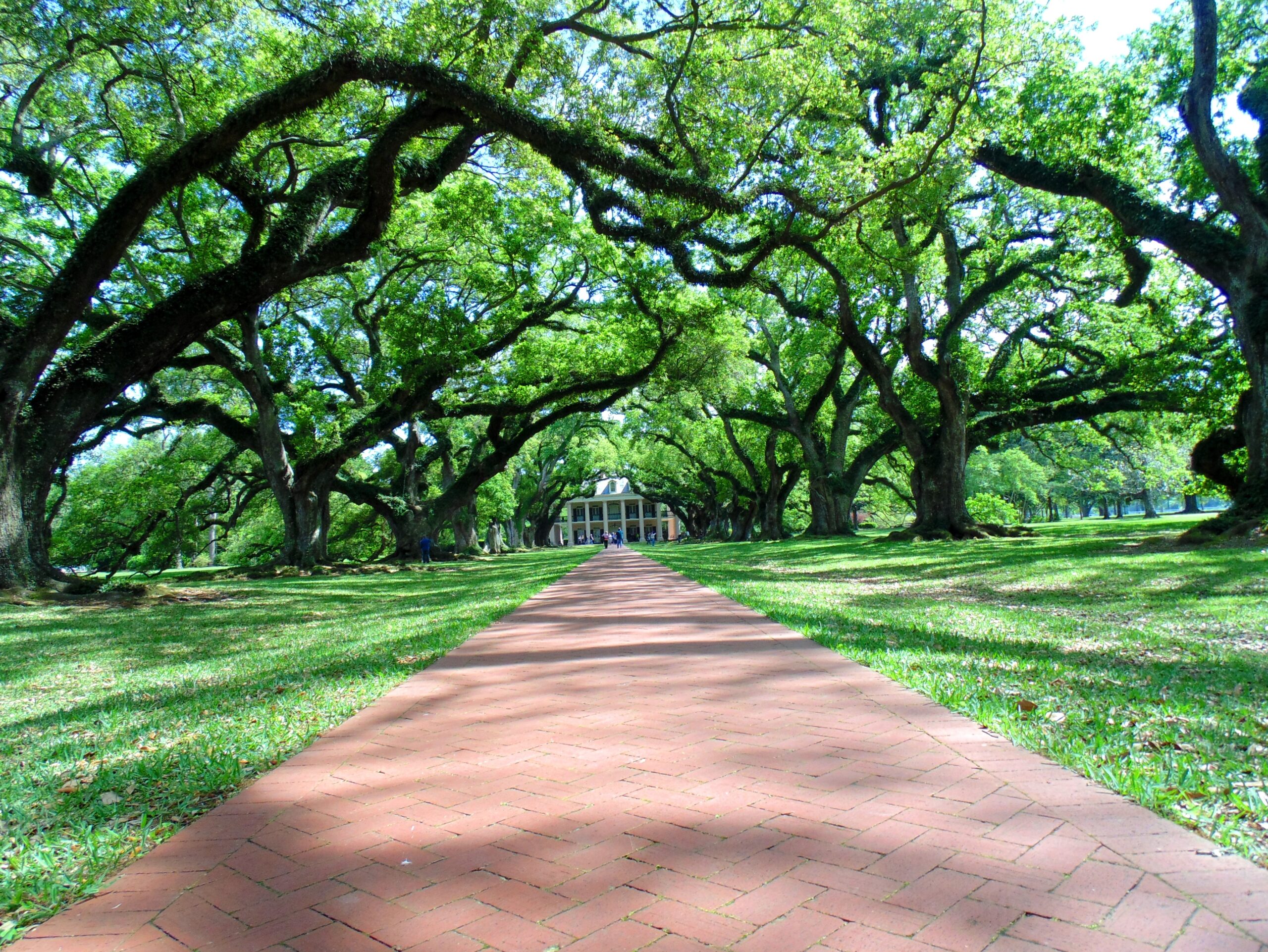
I am not a fan of guided tours, nor the guided tourists who tour them. Too many questions, too much historical bedwetting, too many guests determined to lead the tour themselves. Along those lines, visitors to Oak Alley Plantation in Vacherie, Louisiana can be seen posing for selfies in the slave quarters, dribbling ice cream down their T-shirts, paying $20-a-head to greet employees dressed in period garb, beset on all four sides by the massive weight that pulled these oak trees down.

I spend an hour at Oak Alley before heading north on 55 to Jackson, where I visit the one-time home of Medgar Evers. A civil rights activist, Evers was gunned down in his driveway by a white supremacist named Byron De La Beckwith. Beckwith lived free for another 30 years before being convicted of Evers’ murder in February of 1994.

Upon arrival in Memphis the following day I visit the hotel where Martin Luther King was assassinated. The facade of the Lorraine has been preserved, yet I find an anemic lack of tourists idly wandering the vicinity. The lion’s share have already departed on a chartered bus to Graceland, where they’ll fork over $34-a-head to roam the castle of another King, one who crossed the racial barrier before descending into sloth.

Bob Hill’s America: General Index

Bob Hill’s America: Day 12 (Route 66, The Mother Road)

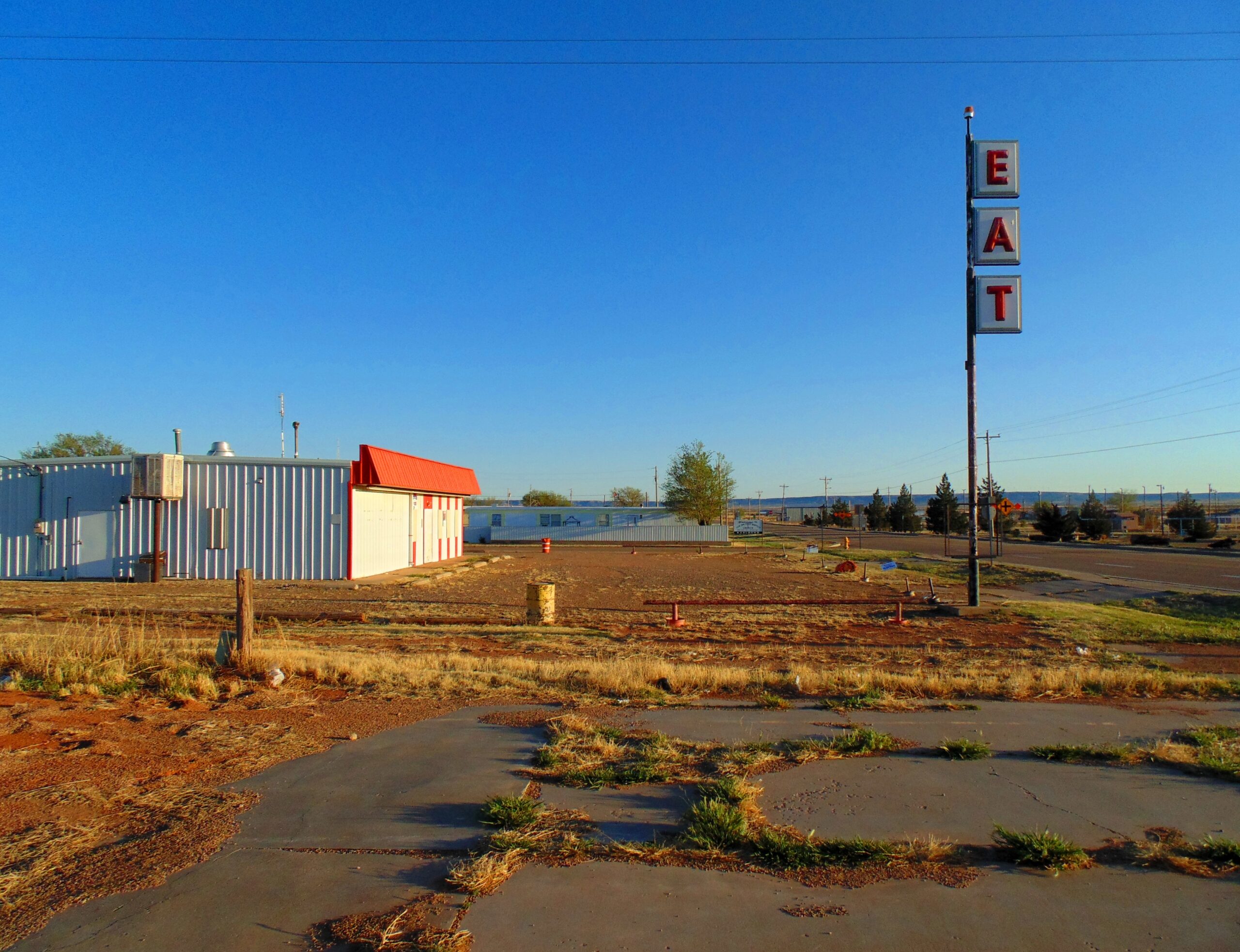
Heading east from Santa Monica, none of the locals has any idea how one might find Route 66. “The real Route 66?” a gas station attendant replies, defiantly. “Oh, man, I’ve no idea.” I am standing in a service plaza that is actually named Route 66, approximately half-a-day’s drive east of a zero-mile marker for the original road. As I continue into Arizona, I become all but convinced the 90-year old highway’s current existence is little more than urban legend, an inside joke among the yokels, if you will. GPS is useless and my atlas offers no additional guidance whatsoever. That is until the markers begin to take hold – “Route 66,” they read in stencil, “Please follow exit Y or Z“. For the better part of an afternoon, I weave in and out of decommissioned highway, a petrol graveyard full of septic tanks and crumbling marquees. The late-day sun glares bright and hard, throwing blood onto horizon. I am speeding through north Texas, prepared to jackknife down to New Orleans.

Bob Hill’s America: General Index

Ernest Hemingway on Holding Out For Spring (1922)

“With so many trees in the city, you could see the spring coming each day until a night of warm wind would bring it suddenly in one morning.  Sometimes the heavy cold rains would beat it back so that it would seem that it would never come and that you were losing a season of your life. This was the only true sad time in Paris because it was unnatural. You expected to be sad in the fall. Part of you died each year when the leaves fell from the trees and their branches were bare against the wind and the cold, wintry light. But you knew there would always be the spring, as you knew the river would flow again after it was frozen. When the cold rains kept on and killed the spring, it was as though a young person had died for no reason. In those days, though, the spring always came finally; but it was frightening that it had nearly failed.”

(Excerpted from A Moveable Feast)

Bob Hill’s America: Days 10 & 11 (The Long, Dark Road to Tombstone, Arizona)

“I just spent three weeks in the hospital,” a middle-age man explains. “I been tellin’ my sister to nail that trick stair down for months. Wouldn’t you know I’d be the one to throw my back out on it?”

The man is speaking to an elderly woman behind the counter at a Motel 6 in Eloy, Arizona. The man’s mother has just had her leg amputated, he explains. He is on his way to Mexico to visit his teenage daughter who has just given birth.

The man stands 6’2, salt-and-pepper crew cut overshadowed by a massive web tattoo spiraling outward from his elbow. He excuses himself to check the license number on his car.

“Poor guy,” the attendant addresses me. “Says he just got out of the hospital.”

“Yeah, yeah, I heard that,” I reply. I am standing by a display case along the north side of the wall. “Say, I called down here a few minutes ago. I was looking for a wifi password? Room 216?”

“Just give me a minute,” the attendant responds.

The attendant’s name tag reads “NORMA”. Norma’s hair is dyed orange with matching eyebrows penciled in. Norma’s collar is permanently stained and there are individual grains of make-up caught between the thick folds of her skin. Norma smiles. I smile back. It is understood no further business will be conducted until the tattooed man returns.

A cow bell clangs above the door signaling the tattooed man’s return. He slaps a credit card on the counter, mentions something about having an artificial hip. Norma hands the man a room key which he thanks her for profusely. He hobbles through the doorway, disappears around the bend.

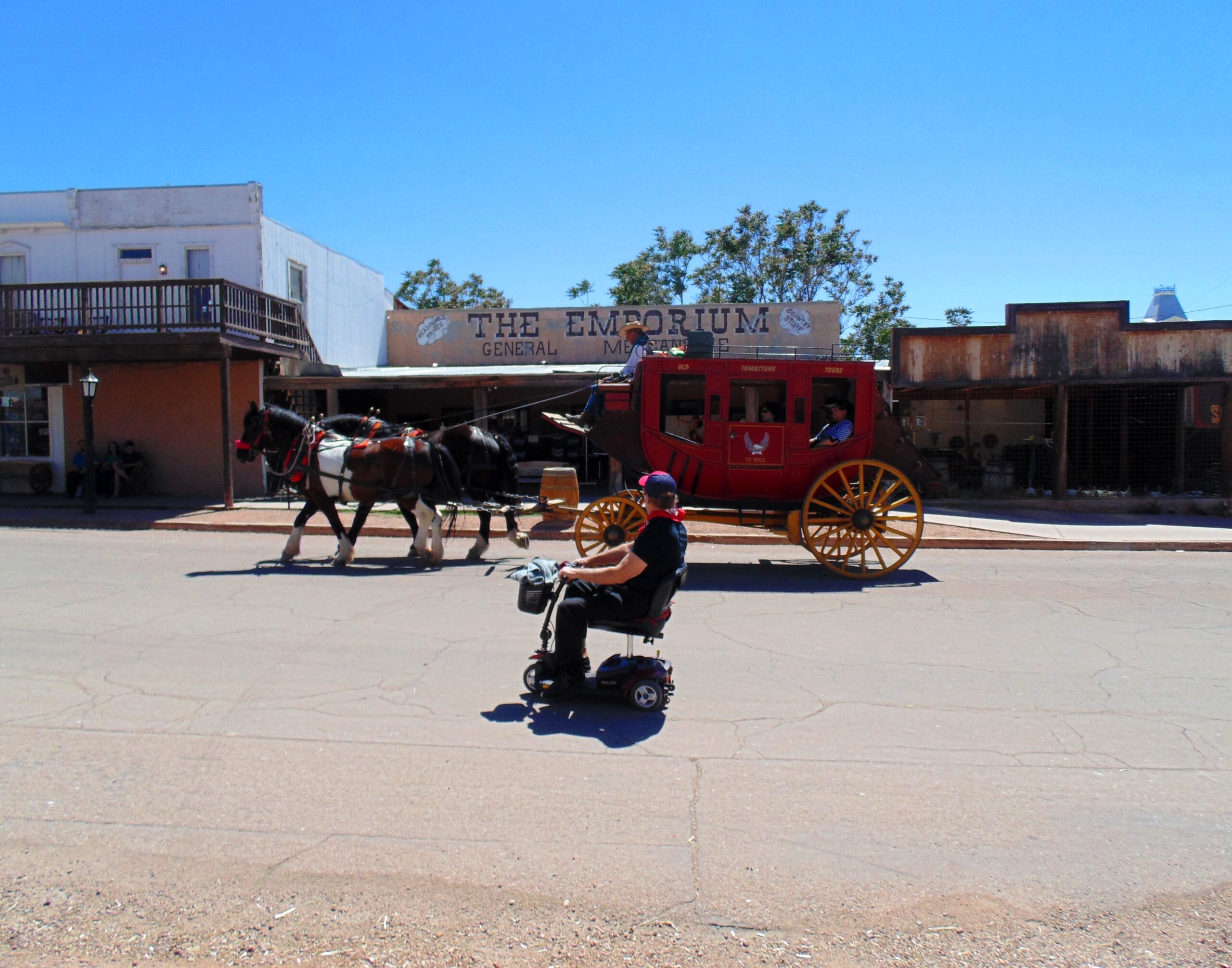
I cannot say for sure whether it’s the 10-minute wait or the $3.29 password, perhaps the dried-up drops of urine on Room 216’s toilet or the live cricket in its bed, maybe it’s the absence of humility or the fact tomorrow will be Sunday, and – as such – there’d really be no point in me driving over to the offices of Arizona’s InBusiness Magazine (That magazine’s publisher, a man named Rick McCartney, has been refusing to pay me $1950 worth of freelance fees for years), maybe it’s all this ugly immigration business or the fact I’m deep inside a state that prides itself on Sheriff Joe, maybe it’s the dry heat or the ill-conceived construction, maybe it’s the notion I’ve traveled all this way to visit an old west mining town where the locals have been reenacting the same bloodthirsty gun battle for 130 years. Maybe it’s all of these things. Maybe it’s none of them. Regardless, I cannot seem to shake my overwhelming lack of empathy. Fuck this place, this backward pit called Arizona. I look forward to crossing the border into New Mexico tomorrow.

Bob Hill’s America: General Index
Film Capsule: The Double

Jesse Eisenberg is just one of those guys … one of those guys whose prose pops up in The New Yorker and McSweeney’s despite the fact it really has no right to be there (See also: Michael Cera). He’s one of those guys who fancies himself an uncompromising intellectual despite appearing in bullshit fare like Now You See Me. Jesse Eisenberg is one of those guys the general public loves in certain roles (i.e., Adventureland, The Social Network) despite ignoring the overwhelming majority of his films.

Jesse Eisenberg is just one of those guys, alright … one of those guys who, when asked what originally attracted him to a movie like The Double, might simply stare ahead and say, “It’s Dostoyevsky.”

That’s who Jesse Eisenberg is.

Unfortunately, Dostoevsky does not translate well amidst the dark and tangled mess that is Richard Ayoade’s The Double. Ayoade’s movie is bland and unrewarding, the cinematic equivalent of being locked inside a vacancy. Certain critics will employ the term “dystopian” when attempting to describe Ayoade’s film. What these critics are actually trying to say is that The Double is irretrievably dire and grim. That being the case, one’s best bet might be to stay at home and enjoy an encore screening of Adventureland. It features Jesse Eisenberg in a relatable coming-of-age tale, and – as the title might suggest – it also represents the polar opposite of dystopia.

Your best bet: Revisit 2002’s Roger Dodger, a largely overlooked motion picture which features Eisenberg in his most endearing role. It’s currently streaming via Netflix.

(The Double opens in limited release this Friday.)

Bob Hill’s America: Days Eight & Nine (Venice Beach, California)

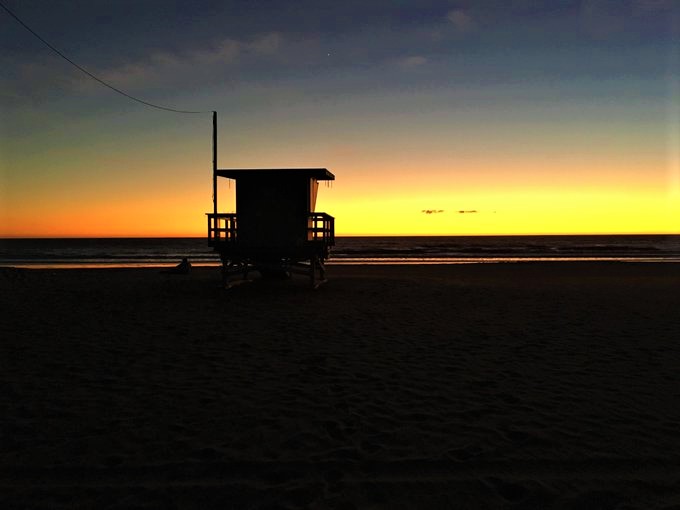
Boarders, breakers, bikers, ballers, brawlers, bleachers, beachers and stoics, their eyes fall soft and easy from the sunlight and the glare. There are ex-cons, short cons, gamers, marks and framers, an entire promenade divided equally between predator and prey. There are the drug-fueled dregs of Dogtown, Z-Town relics bronzed with muscle despite a pale lack of ambition. There are guitars and sitars, a lyric poem, a bonfire song. There is the S.M.P. and  the P.O.P, the Ginger Court and Muscle Beach. There are Schwarzenegger and Morrison, airbrushed pictures of their heroes on the wall. There is chess and there are checkers, falling dominoes and rank patchouli. There are steel doors slamming harshly where only vampires dare to roam. They’re out here sleeping neath the cosmos, all but begging me to come along.

Bob Hill’s America: General Index